Understanding Portion Choices During Events
February 2026
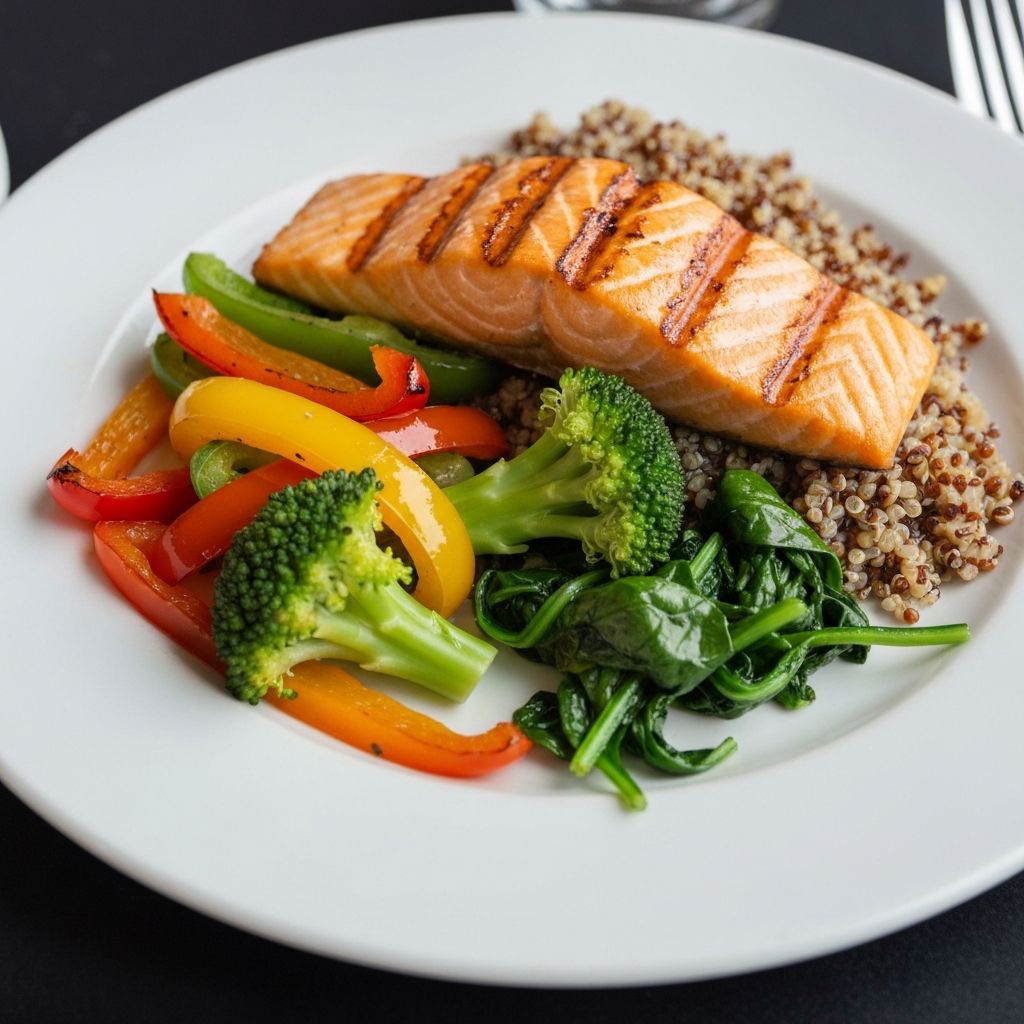
The concept of portion size relates to the amount of food consumed during eating occasions. At social events, portion considerations involve various factors including serving styles, food presentation, and individual eating patterns. This article explores these concepts from an educational perspective.
What Are Portions?
In nutritional terminology, a portion refers to the amount of food an individual chooses to consume, while a serving size often refers to standardized amounts used for nutritional reference purposes. These terms are sometimes used interchangeably in casual conversation, though they have distinct meanings in formal nutritional contexts.
At social events, portions are often self-selected when food is presented buffet-style, or predetermined when meals are plated. The amounts consumed can vary widely based on numerous factors including the type of event, food availability, and individual circumstances.
Factors Affecting Portion Selection
Research in eating behavior has identified various factors that can influence portion sizes at social gatherings:
- Plate and serving container sizes, which can create visual references for portions
- Variety of foods available, which may influence total amount consumed
- Social context and eating pace of others present
- Individual hunger levels and eating history during the day
- Familiarity with foods and personal preferences
- Duration and structure of the social event
These factors interact in complex ways. Understanding them is part of nutritional education rather than a guide for specific actions.
Portion Sizes in Different Event Contexts
Different types of social events present food in various formats. A cocktail reception might feature small appetizer portions consumed over an extended period. A formal dinner typically involves plated meals with predetermined portion sizes. Buffet-style gatherings allow for self-selected portions of multiple items.
Each format creates different environmental cues that can influence eating patterns. The educational value lies in understanding these various contexts rather than judging which format is preferable.
Nutritional Composition Across Portions
The nutritional content of portions varies based on the foods selected. A portion of vegetables provides different nutrients compared to a similar volume of grain-based foods or protein sources. Understanding general nutritional composition can contribute to overall nutritional knowledge.
Nutritional guidelines often describe food groups and their general characteristics. Vegetables and fruits typically provide vitamins, minerals, fiber, and various plant compounds. Protein foods contribute amino acids and various micronutrients depending on the source. Grain products offer carbohydrates along with varying amounts of fiber based on processing level.
This information describes general patterns rather than prescribing specific choices or quantities for individuals.
Visual Cues and Perception
Research in sensory science and eating behavior has explored how visual cues affect portion perception. Plate size, food arrangement, color contrast, and other visual factors can influence how portions are perceived and selected.
For example, studies have observed that the same amount of food may appear different depending on the size of the plate or bowl it occupies. This phenomenon relates to visual perception and spatial reasoning rather than actual quantities.
Understanding these perceptual aspects is educationally interesting but does not imply that individuals should manipulate these factors in specific ways.
Portion Considerations Throughout the Day
Social events occur at various times during the day and may or may not coincide with typical meal times. How portions at events relate to overall daily eating patterns varies among individuals and circumstances.
Some nutritional frameworks suggest considering intake across the entire day or even multiple days rather than focusing on individual eating occasions. Other approaches emphasize meal-by-meal awareness. These represent different conceptual frameworks for thinking about nutrition.
Individual preferences, schedules, and circumstances influence how people organize their eating patterns around social events. This diversity reflects the complexity of human eating behavior.
Cultural and Individual Variation
Portion norms vary significantly across cultures and social contexts. What is considered a typical portion in one cultural setting may differ substantially from another. Individual experiences, upbringing, and current circumstances also influence portion expectations and selections.
This variation demonstrates that portion concepts are contextual rather than absolute. Educational understanding of nutrition includes recognizing this contextual nature.
Educational Context
Understanding portion concepts contributes to overall nutritional literacy. This knowledge is informational and does not constitute advice for specific situations. Individual circumstances vary widely, and what applies generally may not suit particular contexts.
Nutritional education aims to explain concepts and provide context rather than prescribe specific behaviors or outcomes. This article follows that educational approach.
Limitations and Context
This article provides educational information only. It does not offer personalized advice or recommendations for specific situations. Individual nutritional needs and circumstances vary significantly based on numerous factors including health status, lifestyle, cultural background, and personal preferences.
Readers seeking guidance for their individual circumstances should consult with qualified professionals. This content does not replace professional consultation or assessment.
No outcomes or results are promised or guaranteed from the information provided in this article. The content is presented for informational and educational purposes only.